Stunning Companion Plants For Lungwort
Stunning Companion Plants for Lungwort
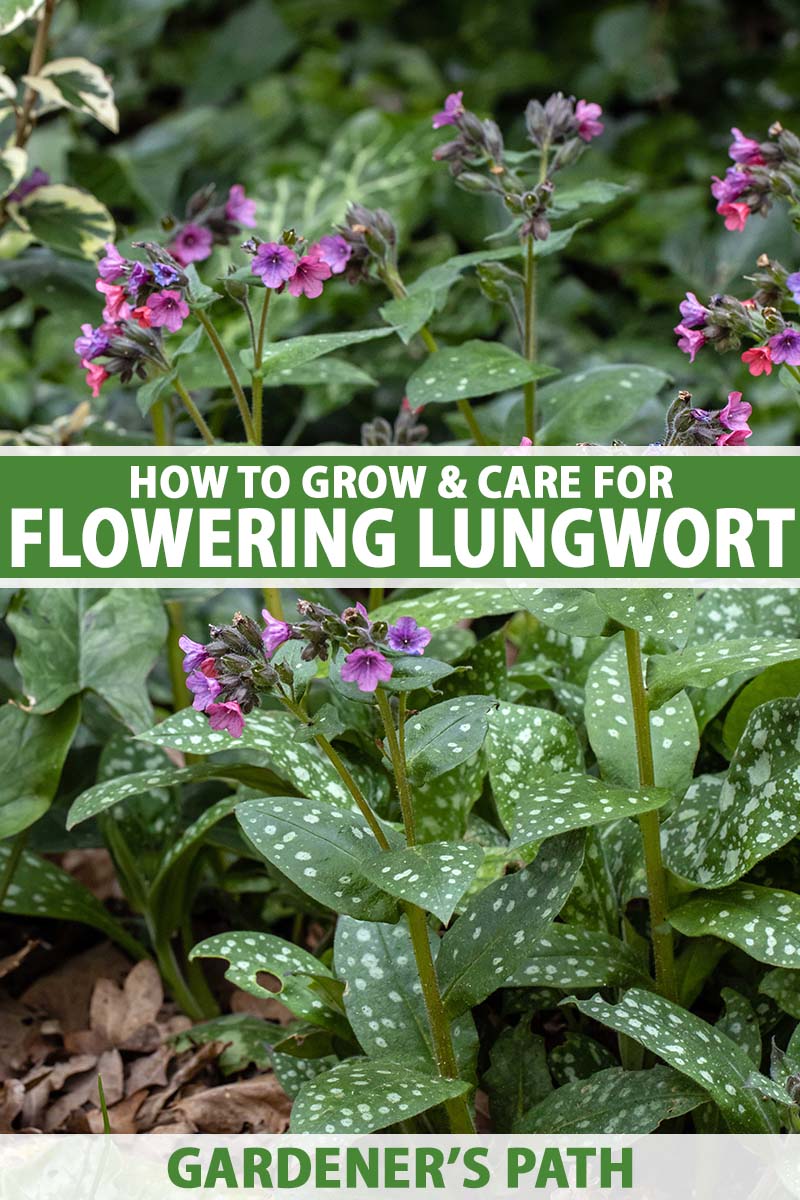
Lungwort (Pulmonaria) is a beautiful perennial that is known for its attractive foliage and spring flowers. The leaves are often spotted or mottled with silver, and the flowers can be blue, pink, purple, or white. Lungwort is a shade-loving plant, so it is perfect for gardens that receive dappled or filtered sunlight.
One of the best things about lungwort is that it is easy to care for. It is drought-tolerant and deer-resistant, and it does not require a lot of fertilizer. Lungwort is also a long-lived plant, so you can enjoy it for many years to come.
If you are looking for stunning companion plants for lungwort, here are a few suggestions:
- Coral bells (Heuchera). Coral bells are another shade-loving perennial that is known for its colorful foliage. The leaves of coral bells can be green, red, pink, or purple, and they often have a slight sheen. Coral bells bloom in the summer, and their flowers can be white, pink, or red.
- Ferns. Ferns are a classic choice for shade gardens, and they make great companions for lungwort. There are many different types of ferns to choose from, so you can find one that fits your garden's style. Some popular fern varieties for companion planting with lungwort include:
- Lady fern (Athyrium filix-femina)
- Ostrich fern (Matteuccia struthiopteris)
- Boston fern (Nephrolepis exaltata ‘Bostoniensis’)
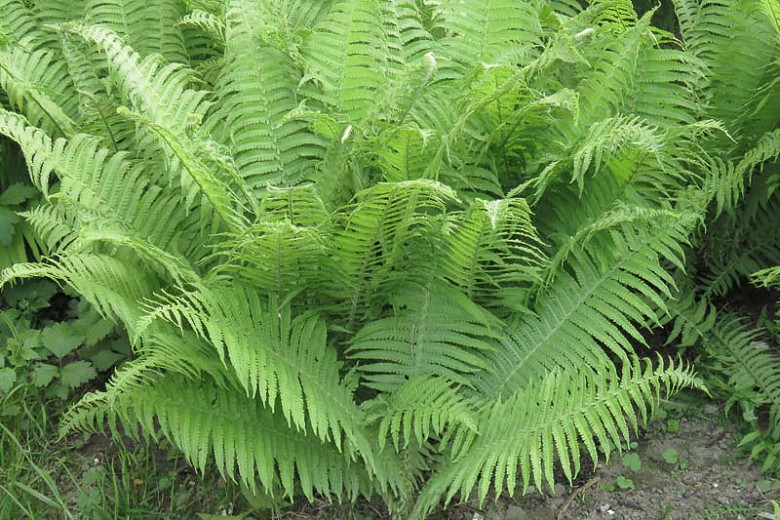
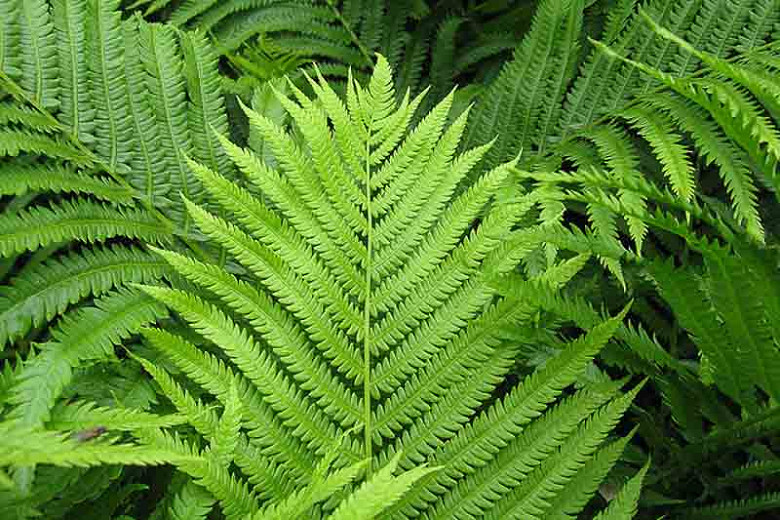
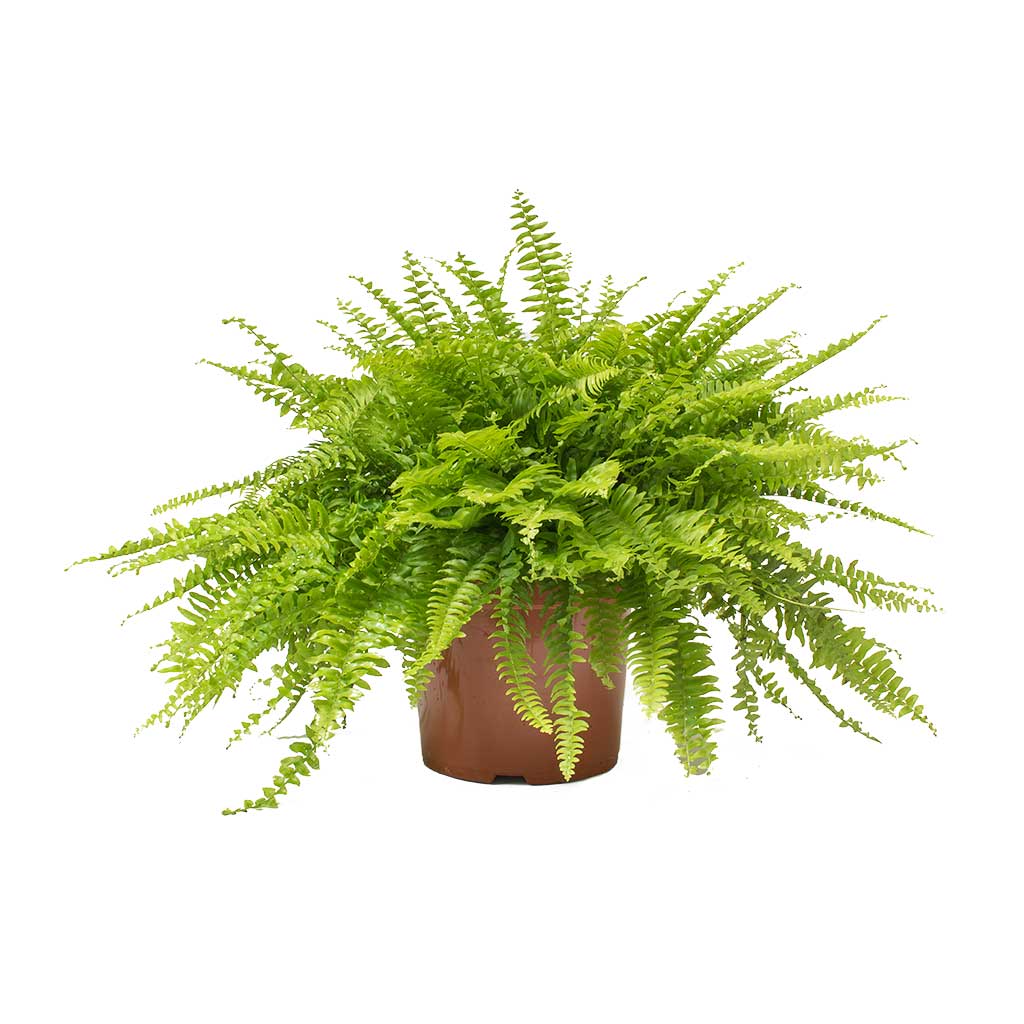
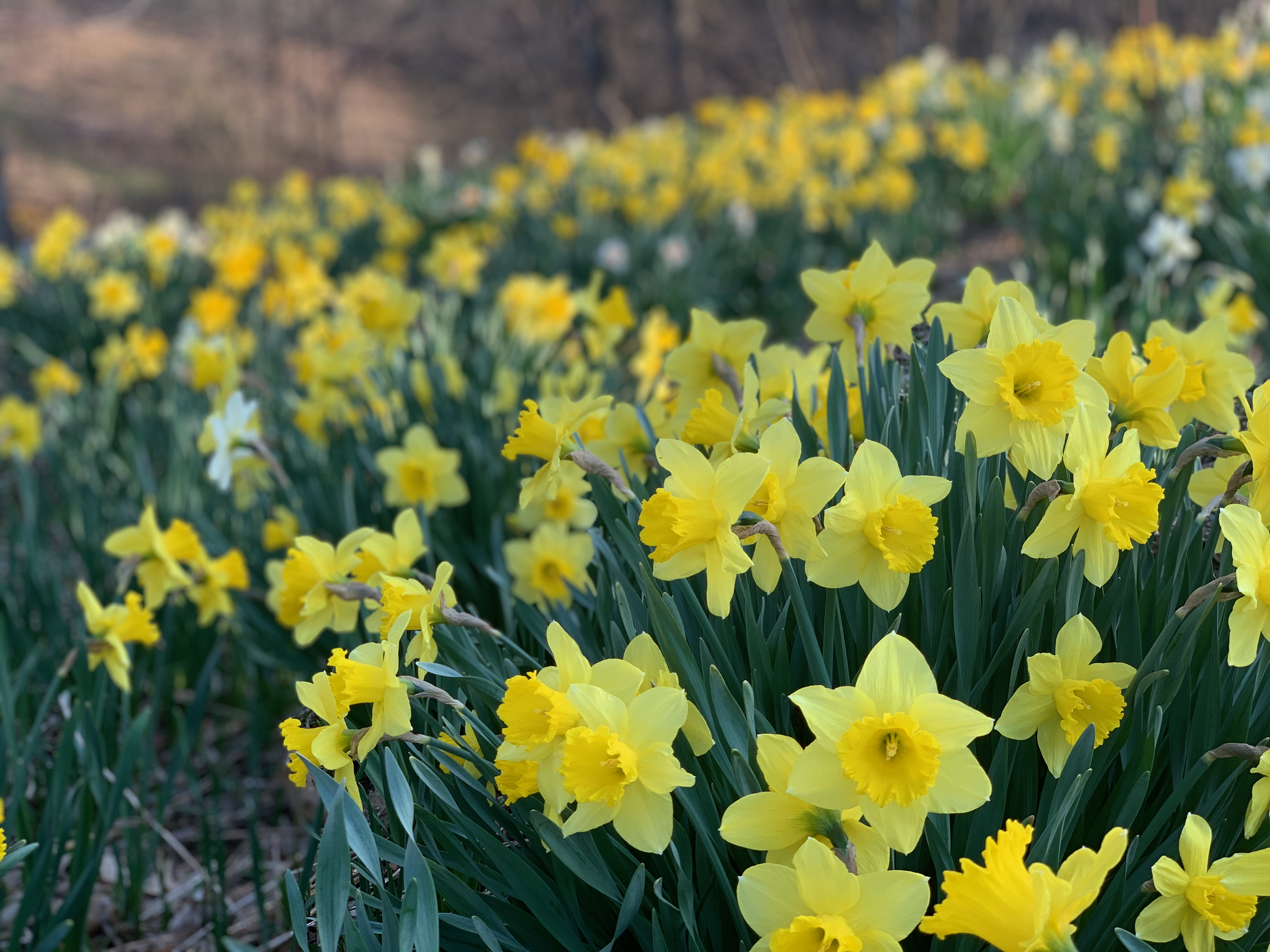
- Daffodils. Daffodils are a great choice for early spring color, and they make beautiful companions for lungwort. Daffodils come in a wide variety of colors, so you can choose ones that will complement the colors of your lungwort plants.
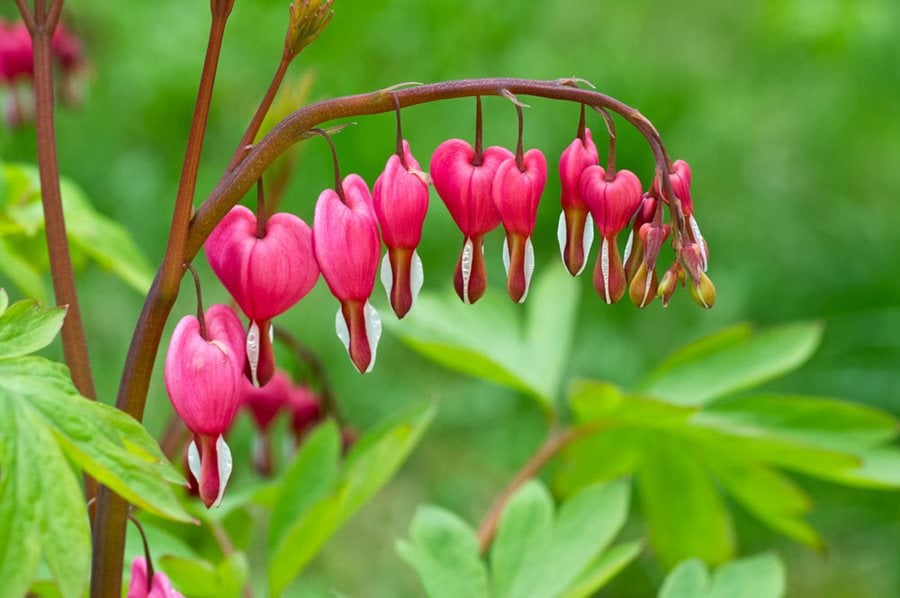
- Bleeding hearts (Dicentra spectabilis). Bleeding hearts are another spring-blooming perennial that is perfect for shade gardens. The flowers of bleeding hearts are heart-shaped and pink or white, and they hang down from long stems. Bleeding hearts are a bit more delicate than lungwort, so they should be planted in a sheltered spot.
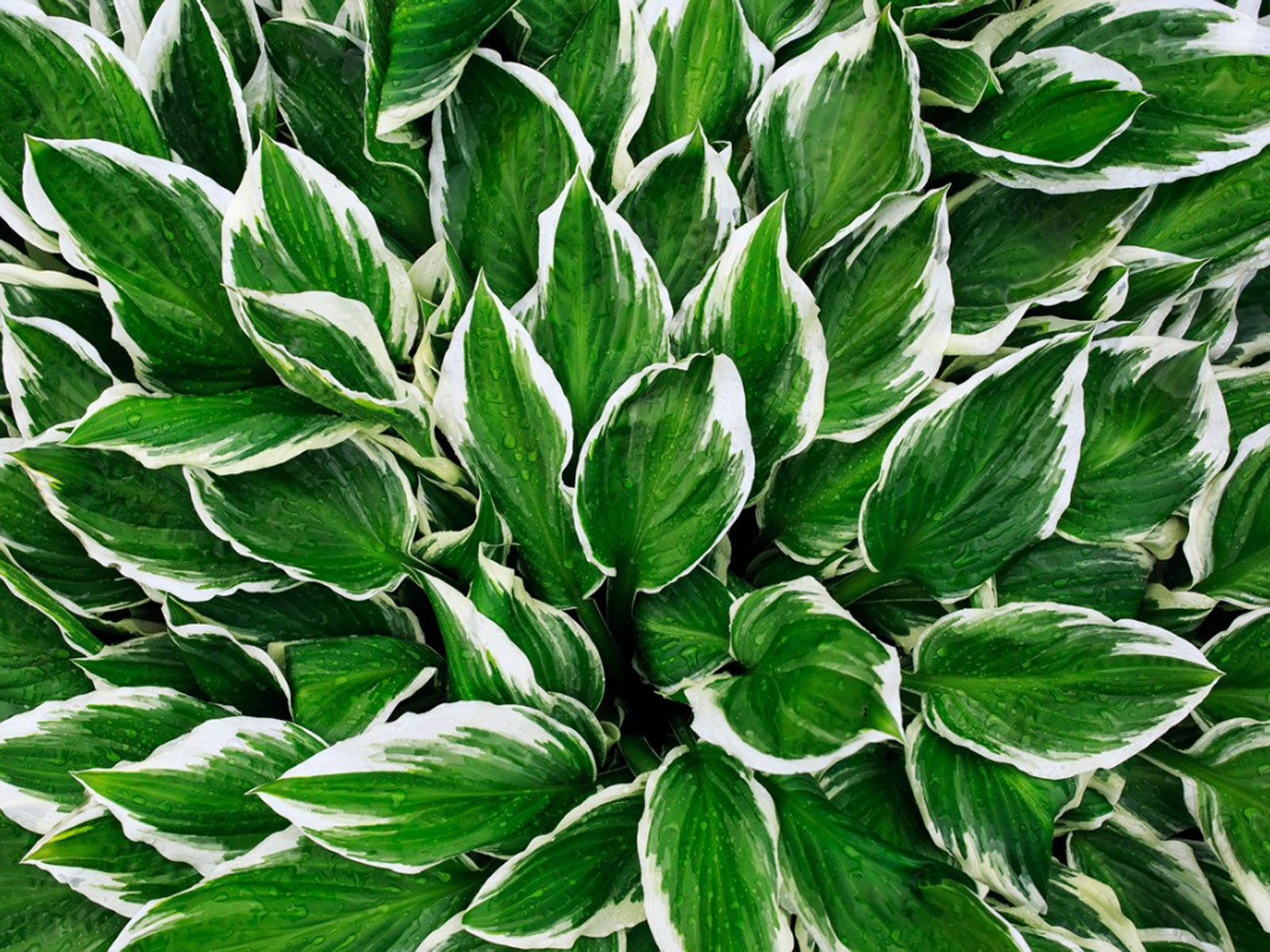
- Hostas. Hostas are one of the most popular shade-loving perennials, and they make great companions for lungwort. Hostas come in a wide variety of colors, sizes, and shapes, so you can find ones that will fit your garden's style.
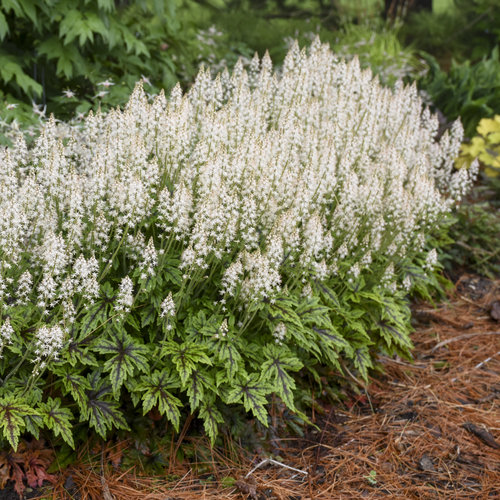
- Tiarella. Tiarella is a low-growing perennial that is known for its delicate white flowers. Tiarella blooms in the spring, and it is a great choice for filling in spaces between larger plants.
These are just a few suggestions for stunning companion plants for lungwort. When choosing companion plants, it is important to consider the size, color, and light requirements of the plants. You also want to make sure that the plants will bloom at the same time so that you can enjoy a continuous display of color in your garden.
Lungwort is a beautiful shade-loving perennial that is known for its spotted leaves and spring flowers. If you are thinking of adding lungwort to your garden, you may be wondering what companion plants would work well with it.
There are many different companion plants that can be paired with lungwort, but some of the best include:
- Hostas: Hostas are another shade-loving perennial that can provide a beautiful backdrop for lungwort. They also have similar growing conditions, so they are easy to care for together.
- Astilbes: Astilbes are known for their delicate flowers and feathery foliage. They add a touch of elegance to any garden, and they also help to attract pollinators.
- Bleeding hearts: Bleeding hearts are another spring-blooming perennial that is perfect for shady gardens. They have heart-shaped leaves and delicate flowers that come in a variety of colors.
- Ferns: Ferns are a classic choice for shady gardens, and they can provide a lush backdrop for lungwort. They also help to improve the drainage of the soil, which is important for lungwort.

If you are looking for more information about lungwort companion plants, I recommend visiting the Gardenia Inspiration. This website has a comprehensive list of companion plants for lungwort, as well as detailed information about each plant.
FAQ of lungwort companion plants
Q: What are some good companion plants for lungwort?
A: Lungwort is a shade-loving perennial that can be paired with a variety of other plants to create a beautiful and harmonious garden. Some good companion plants for lungwort include:
- Hostas
- Astilbe
- Sweet woodruff
- Hellebores
- Tiarella
- Bleeding hearts
- Ferns
- Brunnera
- Epimedium
These plants all have similar growing requirements to lungwort, and they will complement each other's foliage and flowers. For example, hostas have large, heart-shaped leaves that will provide a contrasting backdrop for the spotted leaves of lungwort. Astilbe adds delicate flowers in shades of pink, purple, and white, while sweet woodruff has a sweet fragrance that will attract pollinators.
Q: What are some of the benefits of planting companion plants with lungwort?
A: There are several benefits to planting companion plants with lungwort. First, companion plants can help to attract pollinators, such as bees and butterflies. This is important because lungwort is a nectar-rich plant, and it will benefit from the pollination services of these insects.
Second, companion plants can help to suppress weeds. This is because they will compete with weeds for water and nutrients. Additionally, some companion plants, such as hostas, can shade out weeds, making it difficult for them to grow.
Third, companion plants can help to improve the overall health of lungwort. This is because they can help to deter pests and diseases. For example, astilbe has been shown to help to deter aphids, which are a common pest of lungwort.
Q: Where is the best place to plant lungwort?
A: Lungwort is a shade-loving perennial, so it is important to plant it in a location that receives dappled or filtered sunlight. It will also appreciate some afternoon shade, especially in hot climates. The soil should be moist but well-drained, and it is important to avoid planting lungwort in areas where the soil is prone to drying out.
Q: How far apart should lungwort plants be planted?
A: Lungwort plants should be spaced about 12-18 inches apart. This will give them enough room to spread and grow.
Q: How do I care for lungwort plants?
A: Lungwort plants are relatively low-maintenance, but they do require some basic care. They should be watered regularly, especially during the hot summer months. They will also appreciate a light application of fertilizer in the spring. In the fall, you can deadhead the flowers to encourage new growth in the spring.
Image of lungwort companion plants
5 different images of "lungwort companion plants" from Pinterest:
- Lungwort and hosta. Hostas are a classic companion plant for lungwort, as they both prefer shady conditions and have similar foliage colors. This combination creates a lush, layered look that is perfect for shady gardens.
- Lungwort and dicentra. Dicentra, also known as bleeding heart, is another beautiful companion plant for lungwort. The delicate pink flowers of dicentra bloom in the spring, just as the lungwort leaves are emerging. This combination creates a stunning display of color and texture.
- Lungwort and ferns. Ferns are a great way to add height and interest to a lungwort planting. The delicate fronds of ferns contrast nicely with the bold foliage of lungwort.
- Lungwort and spring bulbs. Spring bulbs, such as daffodils and tulips, can add a splash of color to a lungwort planting. The bulbs will bloom early in the spring, before the lungwort leaves have fully emerged.

- Lungwort and ornamental grasses. Ornamental grasses add a touch of elegance to a lungwort planting. The feathery leaves of grasses sway in the breeze, creating a sense of movement.

Post a Comment for " Stunning Companion Plants For Lungwort"